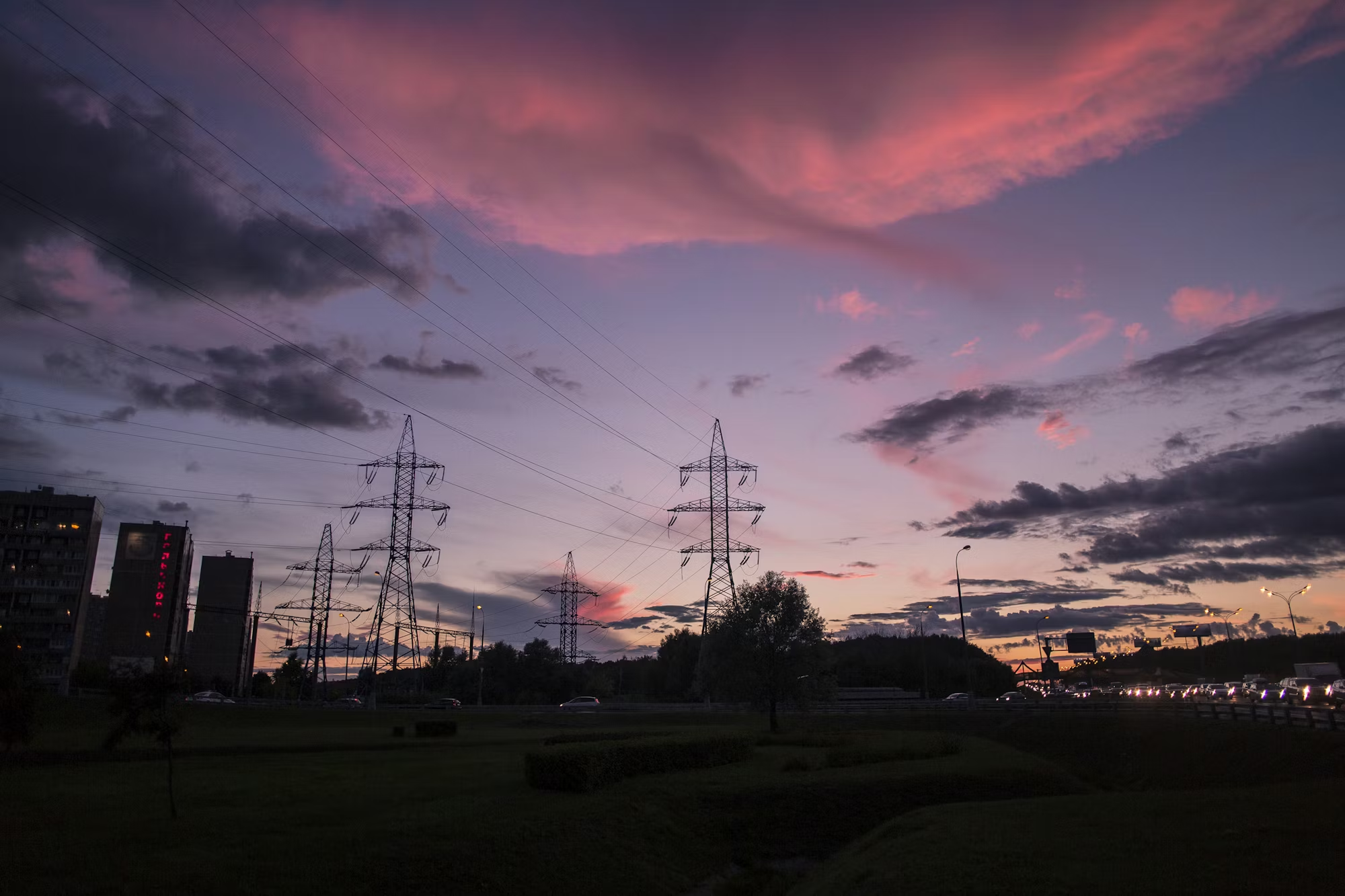
As cities worldwide face the challenges of rapid urbanization, the concept of smart cities has emerged as a transformative solution. Smart cities leverage technology and data to enhance the quality of life for residents, improve infrastructure, and promote sustainability. This innovative approach to urban living is reshaping real estate development, influencing how we design, build, and inhabit our urban spaces. At the core of the smart city movement is the integration of technology into everyday life. This encompasses a range of innovations, from advanced traffic management systems to energy-efficient buildings equipped with smart technologies. By utilizing data collected from sensors and connected devices, cities can optimize resources, reduce waste, and enhance the overall urban experience. One of the most significant benefits of smart city technologies is their ability to improve transportation systems. Traffic congestion is a common challenge in urban areas, leading to increased travel times and pollution. Smart traffic management systems analyze real-time data to adjust traffic signals, optimize routes, and manage public transportation schedules. This not only reduces congestion but also promotes the use of public transit, leading to a more sustainable urban environment. In metropolitan areas, where the population density is high, the integration of smart public transportation solutions is essential. Cities are implementing mobile apps that provide real-time updates on transit schedules, allowing residents to plan their journeys more effectively. This convenience encourages greater reliance on public transportation, reducing the number of cars on the road and minimizing environmental impact. As urban centers grow, the demand for housing is increasing. Smart cities address this need by promoting the development of mixed-use properties that combine residential, commercial, and recreational spaces. These developments foster vibrant communities where residents can live, work, and socialize without the need for long commutes. By integrating smart technologies into these projects, developers can enhance the living experience. For example, smart home systems allow residents to control heating, lighting, and security through their smartphones, creating a more convenient and comfortable living environment. In addition to improving residential living, smart cities prioritize sustainability. Energy-efficient buildings equipped with smart meters help monitor and manage energy consumption, reducing overall usage. This is particularly important in urban areas where energy demands are high. Developers are increasingly incorporating green building practices, such as using sustainable materials and optimizing natural light, to create eco-friendly spaces that align with the principles of smart city development. Furthermore, smart cities emphasize the importance of green spaces and community areas. Urban parks and recreational facilities enhance the quality of life for residents, providing spaces for relaxation, social interaction, and physical activity. Smart technologies can be integrated into these spaces, such as sensor-driven irrigation systems that optimize water usage, ensuring that green areas thrive without unnecessary waste. In tech hubs, the integration of smart city principles is particularly pronounced. The concentration of technology companies and startups creates a fertile ground for innovation, leading to the rapid development of smart solutions that enhance urban living. These cities often serve as testing grounds for new technologies, from autonomous vehicles to smart infrastructure. By fostering collaboration between businesses, government, and residents, tech hubs are at the forefront of the smart city movement. Tourist cities are also embracing the potential of smart technologies to enhance visitor experiences. Smart tourism initiatives, such as mobile apps that provide personalized recommendations and real-time information about local attractions, are becoming increasingly popular. By leveraging data, these initiatives create a seamless experience for travelers, allowing them to explore cities more efficiently. Additionally, smart technologies are helping to manage the influx of tourists, ensuring that popular destinations remain accessible while preserving the local environment and community. In university towns, where students and faculty contribute to the vibrancy of the community, smart city initiatives are fostering collaboration and innovation. The presence of research institutions often leads to the development of cutting-edge technologies that enhance urban living. These towns are increasingly incorporating smart solutions in housing, transportation, and community services, creating an environment that supports both academic and social engagement. Financial centers are also adapting to the smart city model. As the nature of work evolves, the demand for flexible office spaces is increasing. Smart office buildings equipped with advanced technologies can adapt to the changing needs of businesses, providing environments that enhance productivity and employee satisfaction. These spaces often feature open layouts, collaborative areas, and smart technologies that optimize energy use and improve air quality. Historic cities, rich in cultural heritage, are finding ways to integrate smart city technologies while preserving their unique character. The restoration of historic buildings can incorporate modern amenities that enhance functionality without compromising architectural integrity. By promoting smart development in historic areas, cities can attract new residents and businesses while maintaining their cultural identity. In conclusion, the rise of smart cities is revolutionizing urban living and reshaping the future of real estate development. By leveraging technology and data, these cities are addressing the challenges of urbanization while enhancing the quality of life for residents. From improved transportation systems to sustainable housing and innovative public spaces, the integration of smart technologies is creating vibrant urban environments that meet the needs of modern society. As cities continue to evolve, the smart city model will play a crucial role in shaping the future of urban living, making it essential for developers and city planners to embrace these principles in their projects.
Related Posts
Designing the Perfect Home Office: Tips for Productivity and Comfort
In recent years, the home office has transitioned from a…

Finding Your Home: A Comprehensive Guide to Apartment Types
Selecting the right apartment can significantly influence your daily life,…
Maximizing Small Spaces: Creative Solutions for Apartment Living
Living in a small apartment can be a rewarding experience,…