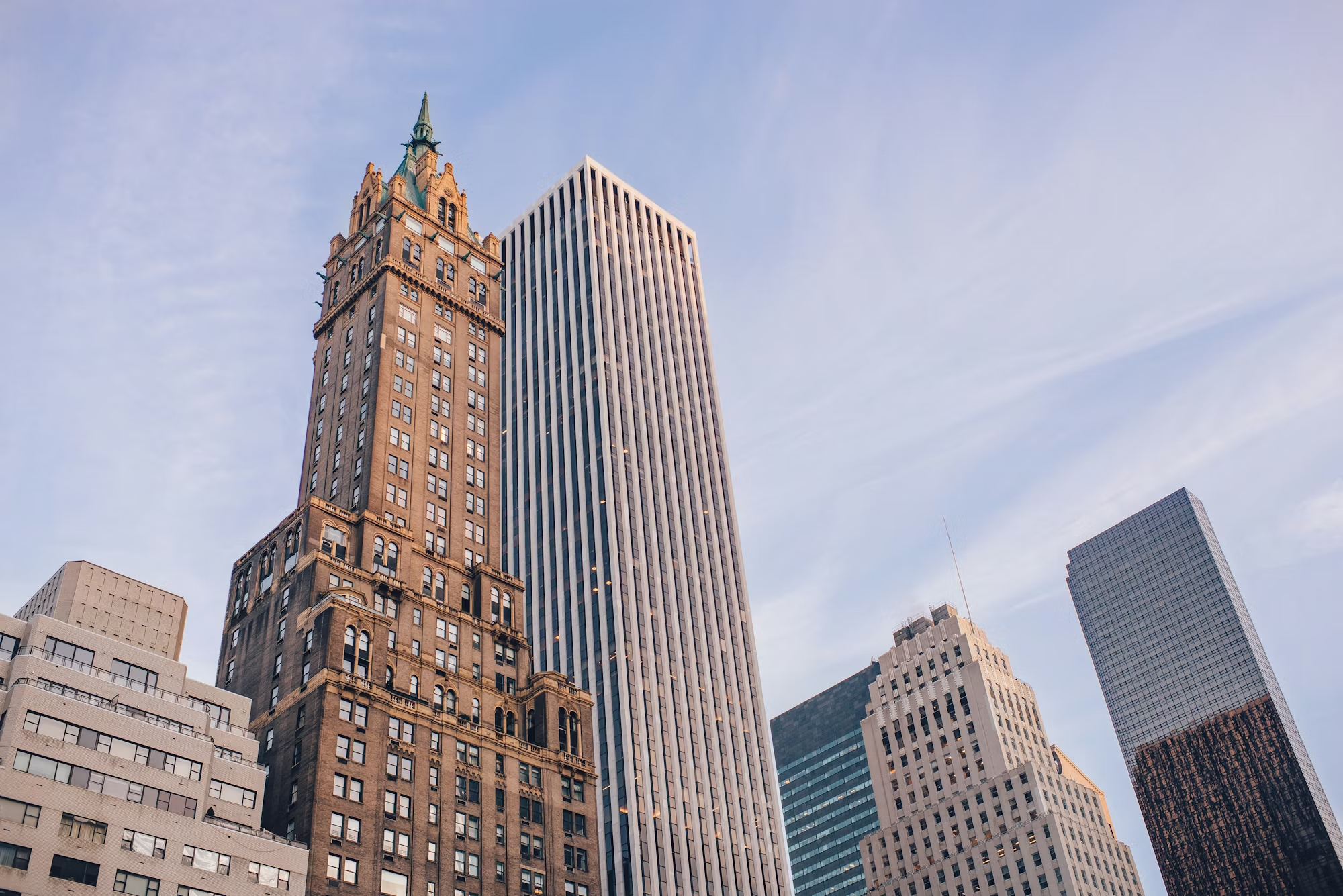
Tourist cities are vibrant urban centers that draw millions of visitors each year, making them unique landscapes for real estate development. These cities thrive on their cultural attractions, historical significance, and recreational offerings, creating a diverse economy that relies heavily on tourism. As a result, the real estate market in tourist cities is shaped by a blend of short-term and long-term demands, making it a fascinating area for developers and investors alike. The cultural appeal of tourist cities often drives significant interest in both residential and commercial real estate. Properties located near major attractions, such as museums, historical sites, or entertainment districts, typically command higher prices due to their desirability. This phenomenon leads to the development of a variety of accommodation options, from luxury hotels and boutique inns to vacation rentals and serviced apartments. Developers are increasingly focusing on creating properties that cater specifically to tourists while also meeting the needs of local residents. For instance, mixed-use developments that combine hospitality, retail, and residential spaces are gaining popularity. These projects provide a seamless experience for visitors, allowing them to immerse themselves in the local culture while offering convenient living options for residents. Moreover, the rise of short-term rental platforms has transformed the real estate landscape in many tourist cities. Homeowners are capitalizing on the lucrative short-term rental market by listing their properties for tourists. This trend has prompted local governments to implement regulations to manage the impact of short-term rentals on housing availability and affordability. As communities navigate this evolving landscape, developers have an opportunity to create purpose-built rental properties that meet the needs of both tourists and local residents, fostering a harmonious coexistence. However, the growth of tourism can also lead to challenges within the real estate market. In many popular tourist cities, the influx of visitors can contribute to rising property prices, which may displace long-term residents and strain local resources. Sustainable development practices are crucial for ensuring that the benefits of tourism are shared equitably among residents. Local governments and developers must collaborate to create policies that prioritize affordable housing and promote responsible tourism, ensuring that the charm and character of these cities are preserved. Community engagement is essential in this process. Involving local residents in discussions about development projects fosters a sense of ownership and helps ensure that new developments align with the needs and desires of the community. This collaborative approach not only strengthens community ties but also enhances the overall experience for visitors, creating a more authentic and welcoming environment. Furthermore, as tourist cities evolve, there is an increasing emphasis on sustainability and eco-friendly practices. Developers who prioritize green building techniques and sustainable designs are better positioned to attract environmentally conscious tourists and residents. Incorporating green spaces, energy-efficient systems, and sustainable materials into new developments can significantly enhance the livability of urban environments while minimizing their ecological footprint. In conclusion, tourist cities present a unique intersection of culture, tourism, and real estate development. The dynamic interplay between these elements creates a vibrant environment ripe for investment and innovation. By embracing sustainable practices, fostering community engagement, and responding to the diverse needs of both visitors and residents, developers can navigate the challenges and opportunities presented by these urban centers. The future of real estate in tourist cities is promising, reflecting a commitment to creating inclusive, thriving communities that celebrate their cultural heritage while welcoming the world.
Related Posts
Designing the Perfect Home Office: Tips for Productivity and Comfort
In recent years, the home office has transitioned from a…
The Allure of Balinese Villas: A Harmonious Blend of Nature and Luxury
Balinese villas are renowned for their unique ability to seamlessly…
Designing the Ideal Home Office: Where Productivity Meets Comfort
In today's world, the home office has evolved from a…